
Technical SEO
Technical SEO as the foundation of your visibility.
The best content is worth nothing if search engines cannot capture and assess it properly. Technical SEO creates exactly that foundation: a website that loads fast, crawls and indexes without errors and has a clear structure. Semtrix clears the obstacles so your content reaches Google, Bing and AI search systems.
Reachability first
Technical SEO starts here: what is never crawled and indexed holds no position.
Then speed
In technical SEO the Core Web Vitals are a measure, not an end in themselves.
Delivery included
Technical SEO specifications in a language your developers can work with.
Fundamentals
What is technical SEO?
Technical SEO is part of the wider SEO optimization and the basis of any successful strategy. It answers the first of all questions: can the search engine reach your content at all?
Technical SEO covers every measure that improves the technical basis of a website for search engines. That includes crawling and indexing, a logical site structure, fast load times, the Core Web Vitals, mobile display, clean internal linking, structured data and the correct handling of JavaScript. The aim is for search engines to find, understand and assess every relevant page without technical barriers. The discipline draws a clear line: it delivers reachability and comprehensibility, not editorial fit. Whether a reachable page then matches the query is decided by onpage optimization.
On sites that have grown over years, or after a relaunch, familiar problems appear: redirect chains, faulty canonicals, pages that cannot be indexed or slow load times. Semtrix surfaces these in the technical audit and prioritises the fixes by impact, rather than working an error list from top to bottom.
Semtrix takes SEO personally: a named contact, transparent communication and delivery that does not slow your developers down. As part of the Eskimoz group, Semtrix combines technical expertise with strategic experience. Start with a free analysis and find out where your website stands technically.
Technical SEO makes sure search engines and AI systems can crawl, render, index and classify a website. It covers reachability, load time, structure and markup, not how well the content matches the query.
Key figures
Technical SEO, reviewed since 2015.
Technology and GEO
GEO: AI visibility as a discipline of its own.
AI systems also have to capture content cleanly in order to cite it. A solid technical basis therefore feeds into GEO, the separate discipline of AI visibility. Technical SEO is the entry ticket to both systems.
The difference sits in the detail: classic search engines now render JavaScript reliably, while many AI service crawlers do not, or only partly. Content that appears first in the browser is visible to Google and invisible to a citation crawler. Access rules matter too: excluding certain bots in robots.txt is also a decision about visibility in AI answers. What follows from that in practice sits with the GEO agency and GEO optimization.
Technical SEO for organic search
Technical SEO for AI visibility

On almost every site that has grown over years we find pages nobody has seen for months, because a canonical from an old template points at a different URL. It appears in no content plan and still costs more than half a year of editorial work.
Why Semtrix
Why have your technical SEO done by Semtrix?
Semtrix has worked on search engine optimisation since 2015 and delivered more than 1,500 projects. Technical work shows its effect above all where it is sustained over years: we have looked after the shop at led-martin.de since 2018 and increased visibility by 250 % and visitor numbers by 40 %, with 226 keywords in the top 3. A shop of that size only stays clean when indexing and load time are kept under control permanently.
As part of the Eskimoz group, named Best Large Integrated Search Agency at the European Search Awards 2026, Semtrix combines technical depth with a strategic view. Technical recommendations are prioritised by impact and tied back to the user experience, rather than worked through as an endless error list. Find out more about the team about us, delivered projects are in our references. For ongoing support there is the SEO agency.
Who it is for
Who needs technical SEO most?
Large websites and online shops
This is where technical SEO carries most weight: beyond a few thousand URLs, crawl budget decides which pages are visited regularly at all. Filters, variants and pagination create more addresses than a catalogue has products.
Sites after a relaunch
Technical SEO clears up what a move leaves behind: redirect chains, outdated canonicals and remnants of the old structure. Securing the change itself sits with the SEO relaunch.
Grown, unclear structures
Where sections were added and templates replaced over years, the rules eventually contradict each other. The finding is then not a single error but an accumulation of exceptions.
Ranking losses without an editorial cause
When positions fall away without content or competitors changing, the cause frequently sits in technical SEO. An audit separates assumption from finding.
Our approach
Technical SEO by impact, not by error count.
A crawl of a mid-sized website easily reports several thousand notices. Almost all of them are formally correct and most are irrelevant. Semtrix therefore sorts by affected traffic, not by severity in the tool. A notice on twenty pages without traffic waits. A silent indexing error on your most important category does not.
Building blocks
Services in technical SEO.
Six building blocks of technical SEO that work in this order. Without the first, the rest have no effect.
Crawling and indexing
Making sure important pages are found and indexed, and unimportant ones are not. Including robots.txt, canonicals, sitemaps and crawl budget control.
Core Web Vitals and page speed
The most visible metric in technical SEO: measurably better load times and user experience, using field data rather than a single lab measurement.
Site structure and internal linking
A clear architecture that guides users and search engines, extended by onpage optimization.
Structured data
The part of technical SEO that helps search engines and AI systems classify content, with its own schema per page type and ongoing validation.
Mobile and JavaScript
Flawless display and capture on every device, including a check on whether content is served from the server.
Professionally reviewed by Rebekka, Search Consultant, specialist area SEO and GEO. Last updated in September 2026.
Reachable. Fast. Understandable.
Technical SEO whose result becomes visible in Search Console rather than staying inside the audit document.




Process
How does working together look?
Technical SEO in four steps, from the full crawl to ongoing checks, agreed with the people who build your website.
Diagnosis
Technical audit including crawling, indexing and Core Web Vitals, extended by log files where they are available.
Decision
A prioritised list of the most effective technical SEO measures, each with an effort estimate and wording that fits into a ticket.
Delivery
Fixing technical errors and improving the fundamentals, together with your developers or directly in the system.
Monitoring
Technical SEO does not end at the ticket: ongoing checks on indexing, performance and rankings, with alerts for drops instead of monthly surprises.
Fields of work
The fields of work in technical SEO.
Five fields of technical SEO that influence each other. A finding in one often explains an oddity in another.
Reachability and index control
The foundation of technical SEO. This is where it is decided which pages stand a chance at all, and how much attention the crawler gives to the important areas.
- Keep robots.txt, meta robots and HTTP headers free of contradictions
- Check canonicals per page type, especially after template changes
- Limit XML sitemaps to indexable pages and keep them current
- Resolve redirect chains and standardise status codes
- Steer crawl budget through filters, parameters and pagination
The number of pages a crawler fetches within a period. It becomes relevant beyond a few tens of thousands of URLs, or when filter combinations multiply the number of addresses. On small websites it is not an issue.
Why is a page indexed although it carries noindex?Usually because the crawler has not fetched it again since the change, or because the instruction only exists in the rendered HTML. A page excluded by noindex has to stay crawlable, otherwise the instruction is never read.
Core Web Vitals and performance
Load time is the one metric from technical SEO that users feel directly. It is measured on real field data, because lab tests only approximate the actual experience.
- Improve Largest Contentful Paint through image and font delivery
- Avoid layout shifts with fixed dimensions and reserved space
- Reduce interaction delay caused by script load and third parties
- Set caching, compression and image formats at system level
- Measure the effect per page type instead of only on the homepage
Metrics Google uses to measure user experience, such as load time, interactivity and visual stability. They feed into the assessment of a page but do not replace relevance.
Does a better page speed score automatically mean better rankings?Not directly. Speed matters most where it is currently poor, and it also feeds into bounces and conversion. Going from 85 to 95 points is rarely the most effective measure available.
JavaScript, rendering and mobile delivery
This is the most common blind spot in technical SEO. What is visible in the browser need not be in the delivered source code, and that is exactly what many crawlers read.
- Check which content is served from the server and which appears in the browser
- Deliver navigation and internal links as real references
- Keep content behind tabs and accordions in the source code
- Reconcile mobile delivery with the desktop version
- Compare the rendered HTML against the raw response
No, as long as content is rendered server side. It becomes a problem when text and links only appear in the browser and crawlers cannot see them reliably.
Does content behind tabs count for less?Not for assessment, as long as it sits in the source code. If it loads only on click, it does not exist for many crawlers at all. The difference is technical, not visual.
Markup and machine-readable context
Structured data is the part of technical SEO that explains to a machine what a page contains. It improves how results appear in search and helps AI systems place content correctly.
- Define schema per page type instead of maintaining markup page by page
- Fill product, FAQ, article and organisation data correctly
- Keep the markup and the visible content consistent
- Build validation into the publishing process
- Record authorship and update date in machine-readable form
Not as a ranking factor. It improves how a result appears in search and therefore the click rate, and it gives AI systems unambiguous context. Both affect traffic indirectly.
What happens with faulty markup?At best it is ignored, at worst the page loses its enhanced appearance. Markup that does not match the visible content counts as a guideline violation.
hreflang and multilingual sites
As soon as several languages or countries are involved, the sources of error in technical SEO double. The most common ones concern the markup rather than the translation.
- Set hreflang reciprocally and completely, including x-default
- Keep language and country versions cleanly separated
- Keep canonicals inside the respective language version
- Mark up currency, shipping and availability correctly per market
- Monitor indexing separately per market
Directories concentrate authority most strongly and are the pragmatic choice for most projects. Separate domains pay off where brand, law or organisation differ by market.
How do I spot faulty hreflang?Through declines in individual markets and pages ranking in the wrong country. In Search Console, missing return references show up as an error, and that is the most common finding.
Your benefits
Your benefits with technical SEO from Semtrix.
What changes when technical SEO is treated as a prerequisite rather than a leftover.
Free analysis
Have your website checked technically.
Semtrix reviews the technical SEO of your website and shows you in a prioritised roadmap which measures have the greatest effect.
Team
Here for you in person.
Technical SEO only works in conversation with development. That needs people who speak both languages.




Semtrix by Eskimoz
What the Eskimoz group means for your technical SEO.
Semtrix is a global search agency: you get found where people search, in classic search as much as in AI answers. Semtrix has been part of the European Eskimoz group since 2024. Nothing changes about how you are looked after, your project stays with a fixed team in Düsseldorf or Essen.
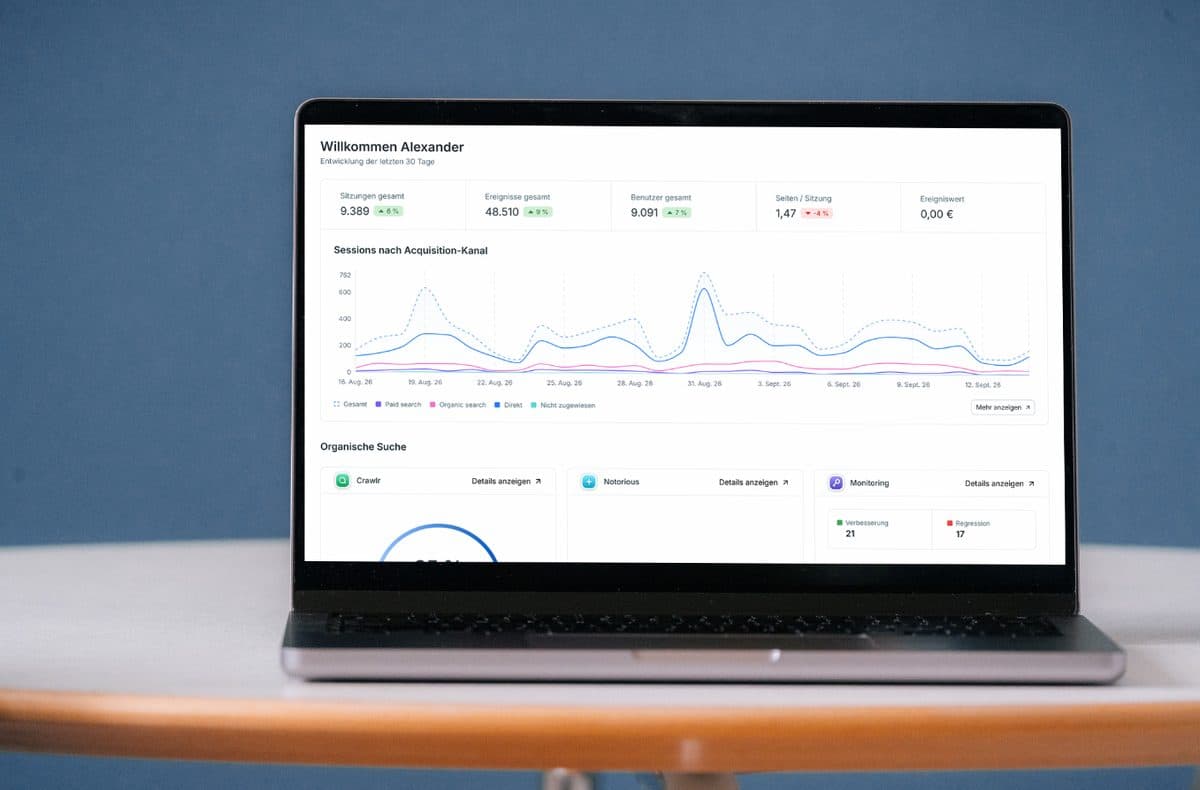
In technical SEO the group's advantage sits in the tooling. The CrawlR crawler is built in-house and captures even shops with six-figure page counts in full instead of stopping at a limit. Findings from the crawl can be held straight against the positions from the Monitoring module, so a technical issue and a ranking trend appear in the same picture. For that way of working the group was named Best Large Integrated Search Agency at the European Search Awards 2026.
FAQ
Frequently asked questions about technical SEO.
The questions about technical SEO we are asked most often in a first conversation.
How do I recognise technical SEO problems?
Typical signs are slow load times, pages that are not indexed, ranking losses without an editorial cause or errors in Google Search Console. A technical audit creates clarity.
What are Core Web Vitals?
Metrics Google uses to measure user experience, such as load time, interactivity and visual stability. They feed into the assessment of a page.
Is technical SEO alone enough for good rankings?
No. Technology is the foundation, but without good content and authority there are no top positions. Only the combination works.
How does technical SEO differ from onpage optimization?
Technical SEO makes sure a page is crawled, rendered and indexed. Onpage optimization makes sure the indexed page matches the query. The order is not interchangeable.
How often should a technical audit happen?
Once thoroughly at the start, after which technical SEO continues through monitoring and alerts. A full audit is also worthwhile before a relaunch and after major changes to the system.
Who implements the measures?
Usually your developers, working from the technical SEO specifications. Where the system allows it, Semtrix implements directly, right through to publishing on the site. Both are possible and agreed in advance.
How long until technical changes take effect?
In technical SEO anywhere from days to several weeks. What matters is how quickly the changed pages are crawled again. In rarely visited areas that takes longer than on the homepage.
Does a small website need technical SEO at all?
It needs the fundamentals of technical SEO: reachability, clean status codes, mobile delivery and an acceptable load time. Topics such as crawl budget and log file analysis carry no weight there.
What are redirect chains and why do they matter?
Several redirects one after another before the target is reached. They cost load time, consume crawl budget and weaken the signals passed on. Every chain can be shortened to a single step.
What is a log file analysis?
The evaluation of server logs, showing which pages bots actually request and how often. It reveals where crawl budget drains into unimportant areas and adds real behaviour to the crawl.
Do I have to allow AI crawlers?
That is a decision, not a requirement. Excluding them protects content from being used and at the same time gives up mentions in AI answers. We set out the consequences, you decide.
Can technical SEO make rankings worse?
Yes, if indexing rules are changed without review. A noindex set too broadly or a misplaced canonical takes pages out of the index within weeks. That is why the current state is documented before any change.
Free and without obligation
Let's talk about your technical foundation.
Personal, specific and without a ready answer in advance. In a first conversation about technical SEO we work out what is holding your website back and which fix pays off first.