Onpage optimization
Onpage optimization for relevance on every page.
Onpage optimization decides how well a single page matches a search query. It brings structure, relevance and user guidance together, from the headline through the metadata to the internal links. Semtrix optimises your pages so they meet search intent precisely.
Search intent first
Before any change comes the question of which query the page is meant to serve.
The page in context
Every page is assessed within the whole structure, never in isolation.
Prioritised by impact
The pages where a change actually moves something come first.
Fundamentals
What is onpage optimization?
Onpage optimization is the interface between technology and content. It is part of the wider SEO optimization and makes sure good content is also prepared and classified properly.
Onpage optimization covers every measure carried out directly on a page to raise its relevance and visibility. That includes a clear heading structure, meaningful title tags and meta descriptions, sensible internal linking, clean URLs, optimised images and, above all, content that matches search intent. What separates it from pure copywriting is classification: a page can be complete in substance and still fail to rank, because its structure is not recognisable, because it cannot be reached through the internal link network, or because a second page serves the same query and the two weaken each other.
Semtrix takes SEO personally: a named contact, transparent communication and a strategy that fits your content and your goals. As part of the Eskimoz group, Semtrix combines editorial and technical onpage expertise. Start with a free analysis and find out what potential your pages hold.
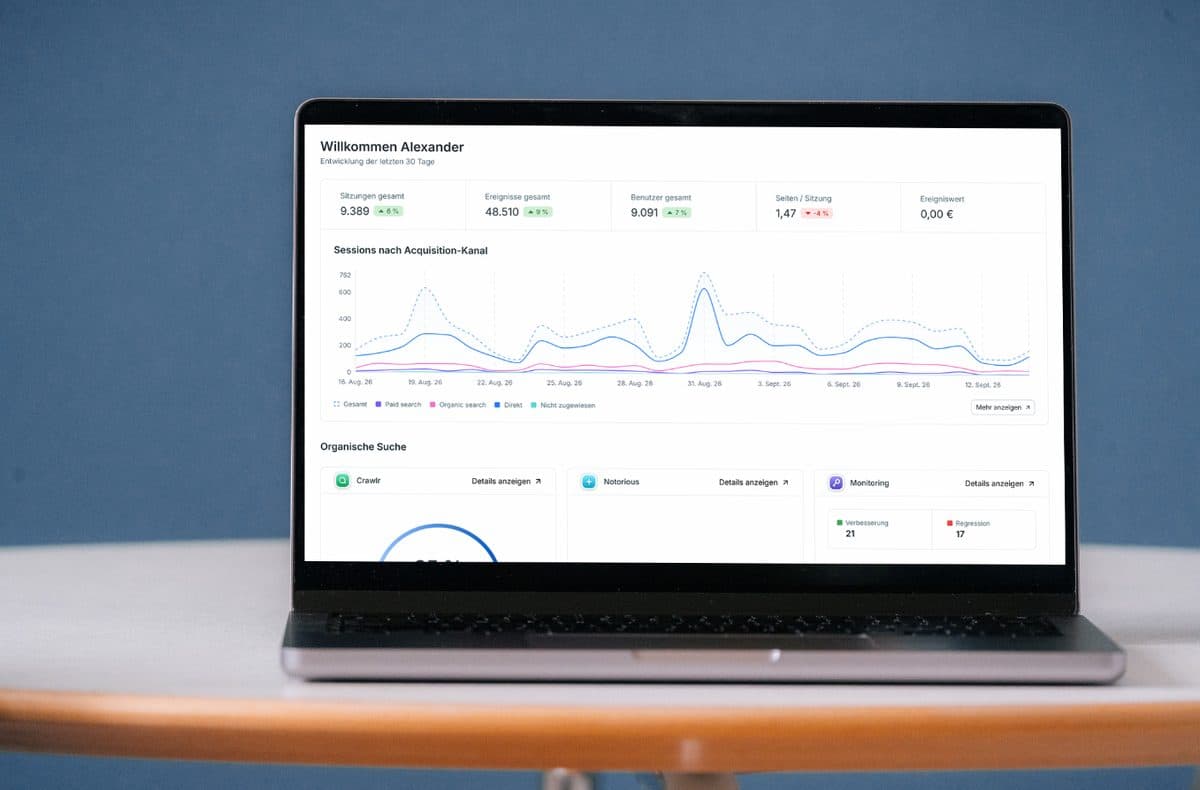
Semtrix does not look at individual factors in isolation, but at the page as a whole within the structure of the site. The basis is a full crawl through the CrawlR module, extended by the semantic assessment from Scribe.
Onpage optimization improves everything that sits directly on a page: structure, headings, metadata, internal linking and the match to search intent. It is the interface between technology and content.
Key figures
Page by page, since 2015.
Onpage and GEO
GEO: AI visibility as a discipline of its own.
Clearly structured, well marked-up pages also help AI systems understand and cite content. Onpage work therefore feeds into GEO, the separate discipline of AI visibility.
The lever is concrete. AI systems take passages that stand on their own. A page whose subheadings reflect real questions and whose paragraphs each carry one statement is easier to cite than a continuous block of text holding the same information. Onpage optimization creates that liftability along the way. The channel work itself is covered by the GEO agency and GEO optimization.
Onpage for organic search
Onpage for citability

The most common reason pages sit just outside the top positions is not missing text. It is two pages that want the same thing. Merging them often wins more than three new articles.
Why Semtrix
Why onpage optimization from Semtrix?
Since 2015 Semtrix has delivered more than 1,500 projects, from a single page type to a complete restructure. For ricardo-grund.de we increased visibility by 2,700% with a new web design and targeted SEO, and 100% of the keywords now sit in the top three. That was carried by onpage work on a manageable number of pages, not by volume.
As part of the Eskimoz group, named Best Large Integrated Search Agency at the European Search Awards 2026, Semtrix combines editorial and technical onpage expertise. You can meet the team on the about us page and see examples in our references. If you want the work supported long term, that offer sits with the SEO agency.
Who it is for
Who is onpage optimization right for?
Pages that are indexed but do not rank
When Google knows a page and still ignores it, the recognisable match to the query is usually what is missing. Onpage optimization creates it without rewriting the text.
Websites with an unclear structure
Sites that grew over years lose their order. Onpage optimization tidies heading logic, click depth and internal linking back into shape.
Keywords just short of the top positions
Positions between four and ten are the most rewarding case. The gaps are small here, and onpage optimization often decides the jump.
Content bases with thin and duplicate pages
Where several pages serve the same query, they weaken each other. Merging and redirecting works faster than any additional page.
Our approach
Four levels per page.
Onpage optimization turns into a checklist quickly when nobody decides which change actually moves anything. So at Semtrix every page is assessed on four levels before anything is touched. Pages where all four hold up are left alone, even if a checklist still has boxes open.
Building blocks
What onpage optimization covers.
These six building blocks make up onpage optimization. The diagnosis per page decides which of them applies.
Headings and structure
A logical heading structure that organises content, orients search engines and reflects the questions users actually ask.
Metadata
Title tags and meta descriptions that signal relevance and lift click-through rate, with a pattern per page type.
Internal linking
Deliberate linking that distributes authority and guides readers, resolving orphaned pages and click paths that run too deep.
Content relevance
Aligning content with search intent and semantic completeness, extended by content creation.
Resolving cannibalisation
Spotting competing pages, merging and redirecting them, instead of adding yet another page on the same subject.
Subject responsibility: Christin, Search Consultant, specialist area onpage optimisation. Last updated September 2026.
Assessed. Prioritised. Delivered.
Onpage optimization with a list sorted by impact rather than by completeness.
Process
How does working together look?
Four steps that turn a website grown over years into a structure where every page has a job.
Diagnosis
Analysis of onpage factors and search intents, with a full crawl and a comparison against the pages currently ranking.
Decision
Measures prioritised by impact, per page and per level, rather than one list spanning every URL.
Delivery
Optimisation of structure, metadata, linking and content, including the merging of competing pages.
Monitoring
Tracking rankings and user behaviour per changed page, so effect and measure stay attributable to one another.
Page types
Onpage optimization by page type.
Every page type serves a different search intent and therefore needs its own pattern for structure, metadata and linking.
The homepage as entry point and distributor
The homepage rarely ranks for individual services but distributes most of the internal authority. Its main onpage job is passing attention onwards.
- The company placed in one sentence, without jargon
- Links to the most important money pages above the fold
- Brand, location and range of services clearly named
- Structured data for the organisation
Only if there is no better candidate. As a rule the main keyword belongs on the service page, while the homepage serves the brand and passes users onwards internally.
Category and overview pages
Overview pages carry most of the organic traffic in shops and large websites. Their onpage optimization decides range visibility and topic visibility at once.
- An introduction of its own rather than a bare listing
- Filter and sort logic without index clutter
- Internal links to sub-categories and the strongest detail pages
- Pagination marked up correctly
A short introduction at the top for context, the detailed advice below the list. That keeps the selection immediately visible while the page still carries content.
Service and product pages
Service pages serve the commercial query and are usually the target page of every campaign. In onpage optimization, completeness counts for more than brevity here.
- The full scope, the process and the prerequisites written out
- Questions on price, duration and responsibility answered
- An FAQ block with structured data
- Links to related services and references
One main keyword and its close variants. As soon as a clearly different search intent appears, it becomes a page of its own, otherwise cannibalisation follows.
Guides and blog articles
Guides serve research intent. Their onpage optimization aims less at conversion and more at completeness, citability and the route onwards to the right service page.
- The answer at the start, the reasoning after it
- Subheadings phrased as real questions
- A named author, their role and the date of the last revision
- Internal links to the canonical service page
Through clear assignment: one canonical page per search term. The guide serves the research question, links to the service page and is not optimised for its main keyword.
Location and local landing pages
Location pages are the page type where onpage optimization fails most often, because the same template is reused with the place name swapped.
- Content of its own per location: contact person, directions, catchment area
- Local references and projects instead of general statements
- LocalBusiness markup with accurate data
- Links down from the parent service page
As soon as they differ only in the place name. More on how the two fit together is on the page about local SEO.
Your benefits
Your benefits with onpage optimization from Semtrix.
What changes when onpage optimization follows impact rather than a checklist.
Free analysis
Get your pages reviewed for free.
Semtrix analyses the onpage factors of your most important pages and shows you which measures will bring more relevance and better rankings, prioritised by impact and effort.
Team
People you can actually reach.
Onpage optimization is small work with a large effect. You want people who carry your page structure in their heads.




Semtrix by Eskimoz
What the Eskimoz group means for your onpage optimization.
Semtrix is a global search agency: you get found where people search, in classic results and in AI answers. Semtrix has been part of the European Eskimoz group since 2024. That changes nothing about your day-to-day support, as your project stays with a fixed team in Düsseldorf or Essen.
In onpage optimization the advantage shows most on large websites. The CrawlR crawler covers extensive domains in full rather than working from samples, and the Scribe content module supplies the semantic gap per page against the competitors that rank. With around 250 consultants in the group, several hundred pages can then be worked through in one pass.
FAQ
Frequently asked questions about onpage optimization.
The questions that come up most often in a first conversation about onpage optimization.
What is the difference between onpage and offpage SEO?
Onpage SEO covers every measure on your own pages. Offpage SEO covers external signals such as backlinks and mentions, see offpage optimization.
Does keyword density still matter?
A fixed keyword density is not a ranking factor. What matters is semantic completeness: covering related terms, entities and user questions rather than repeating a keyword artificially.
How quickly does onpage optimization work?
Onpage changes can take effect comparatively fast, often within weeks, depending on competition and crawl frequency. That assumes the page is crawled regularly in the first place.
How does onpage optimization differ from technical SEO?
Technical SEO makes sure pages get crawled, rendered and indexed at all. Onpage optimization makes sure the indexed page matches the query. The boundary is fluid; the order is not.
What is keyword cannibalisation?
Two or more pages on the same domain serve the same query and take turns ranking. Both stay below their potential. The fix is merging and redirecting, not adding a third page.
How many words does a page need?
There is no target number. The measure is whether the search intent is served in full. The comparison with the pages currently ranking sets the frame, not a figure in a brief.
Do I have to write a title and description for every page?
For your important pages, yes. For large sets such as product detail pages we work with patterns per page type and handle the exceptions manually.
How much does internal linking really matter?
A great deal. It decides which pages receive authority and how fast changes get picked up. Orphaned pages and click depths beyond three levels are common and easily fixed brakes.
What is structured data and do I need it?
Markup in the source code that classifies content for machines, as a product, FAQ, review or organisation for example. It improves how results are displayed and how well AI systems understand the page.
Can onpage optimization make rankings worse?
Yes, if existing substance is removed without checking. That is why we record, before any rework, which questions a page answers today and which terms it carries.
Is onpage optimization worth it for older content?
Usually more than a new page. Existing pages already have history, internal links and often rankings just outside the top positions. That is where the distance is shortest.
Who implements the changes, the agency or my developers?
Either works. Semtrix supplies specifications per page or implements directly in your system, right through to publishing on the site. Which makes sense depends on your setup and your approval routes.
Free and without obligation
Let's talk about your pages.
Personal, specific and without off-the-shelf answers. In a first conversation about onpage optimization we work out which pages are close to the jump and which change carries first.